
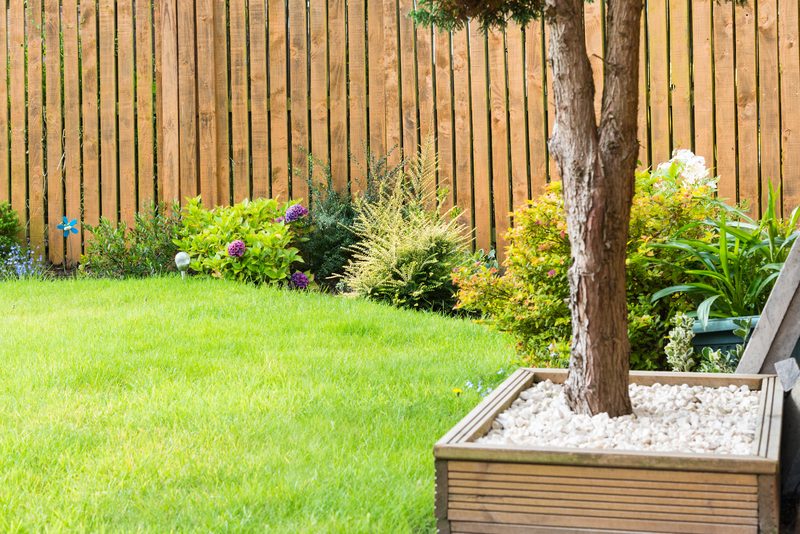
A garden fence has quite a big say in how an outdoor space looks and feels. It can give you a clearer boundary, change how open the garden feels or simply provide a better backdrop for everything else around it.
And there are plenty of reasons you might be looking for one. Perhaps you’re planning a garden from scratch, replacing an ageing boundary, looking at ways to create more privacy or simply fancy a change from what’s there now.
Whatever has brought you here, it’s easy to get a little lost in the names once you start comparing different types of garden fencing.
The good news? You don’t need to become a fencing expert. Understanding what the styles look like and thinking about what matters in your own garden will usually get you most of the way there.
What Types of Garden Fencing Can You Choose From?
Garden fencing materials matter, but even panels made from the same broad material can look very different.
The arrangement of the boards, the shape of the panel and details such as trellis or decorative patterns can make a considerable difference to the finished boundary. Some designs keep things fairly simple. Others are made to be seen.
Waneyedge Fence Panels
Waneyedge is one of the more straightforward styles of wooden garden fencing and is a useful starting point when you’re comparing traditional fence panels.
If you already have fencing in the garden, have a look at how a new panel would sit alongside it. You may want something that feels consistent with the existing boundary, or you may decide that replacing the fence is a good opportunity to change the look altogether.
There’s no need to decide from a product name alone. Seeing the panel itself will give you a much better feel for whether the style is right for your space.
Straightlap Fence Panels
Straightlap gives you another relatively simple timber garden fencing option.
The main question here is often how much detail you want from the fence itself. If you’d rather the boundary sit quietly in the background while your planting, patio or other garden features take centre stage, simpler panel designs can be well worth comparing.
If the whole fence line is being changed, you’ve also got more freedom to move away from the style that was there before.
Interwoven Fence Panels
Interwoven panels bring more visible patterns into the boundary.
That can work well if you want the fencing to play a more noticeable role in the overall look of the garden rather than simply marking its edge.
It helps to picture more than one panel, too. A design that catches your eye on its own may feel quite different once it runs along the length of a garden, so think about the full boundary and what will sit in front of it.
Feather Edge Fence Panels
Feather Edge fencing gives you a few different ways to vary the finished appearance without moving away from the same overall panel style.
Options include:
- Feather Edge with Trellis – combines the main panel with trellis detailing.
- Double-Sided Feather Edge – an option to look at if the appearance on both sides of the boundary matters to you.
- Heavy Duty Featheredge with Trellis Inserts – incorporates trellis sections into the design.
- Bowed Up Featheredge – gives the top of the panel a shaped rather than straight profile.
That extra choice can be handy if you like Feather Edge fencing but want something with a little more detail.
You can see the different Feather Edge fence panels if you’d like to compare the designs side by side.
Picket Fence Panels
Garden picket fencing has quite a different feel from a more enclosed fence panel. The gaps between the pales make the boundary look more open, while the detailing at the top gives you a few different styles to choose from.
These include:
- Round Top Picket Panels
- Queen Anne Picket Panels
- Pointed Picket Panels
The main difference is in the design, so choose the style that suits your garden best.
Vertical Pale Panels
Vertical Pale Panels use a strong upright pattern across the fence line.
The direction and spacing of the timber can change the overall look of the boundary more than you might expect.
One panel only tells part of the story. Try to imagine the pattern continuing along the whole garden before deciding whether it’s the look you want.
Horizontal Slat Panels
With slatted garden fencing, the emphasis moves horizontally across the boundary.
That gives Horizontal Slat Panels a very different appearance from Vertical Pale, Feather Edge or other upright designs. If the fence will be particularly visible from the house or a seating area, that difference can matter.
Think about what will be around it as well. Planting, garden furniture and other features all become part of the same view once the fencing is in place.
Chevron Fence Panels
If a plain panel feels a little too plain, Chevron fencing introduces a much stronger pattern.
The designs include:
- 4 Way Chevron Panels
- Single Chevron Pale Panels
These make more of a feature of the fence itself, so they’re likely to appeal when the appearance of the boundary is an important part of the overall garden design.
Trellis Panels
Garden trellis fencing offers a more open and decorative alternative to a fully enclosed panel.
There’s also more than one look to choose from:
- Square Trellis
- Diamond Trellis
- Fan Trellis
- Custom Trellis
Trellis doesn’t necessarily have to make up the whole fence, either. It can also be incorporated into other fencing designs, including certain Feather Edge options.
That gives you a bit more flexibility if you like the lighter appearance of trellis but still want a more substantial panel below it.
You can browse our trellis panels to get a better idea of how the different patterns look.
STACKiT Fencing
STACKiT works a little differently from a conventional complete fence panel.
Rather than installing one finished panel between the posts, individual sections slot between compatible posts to build up the fence.
Trellis can also be incorporated into a STACKiT design, giving you another way to change the appearance of the upper part of the boundary.
If you’re comparing complete panels with different fencing systems, you can take a closer look at how STACKiT fencing works.
Decorative Fence Panels
Not every fence needs to fade quietly into the background.
If your boundary is clearly visible from the house, patio or somewhere you spend a lot of time in the garden, you may want the panel itself to add a little more interest.
Decorative designs include:
- Royal Nordic Square
- Lattice
- Rainbow
- Wing
- Vaga
- Dordogne
- Elite St Servan
These designs give you more scope to make the fence part of the garden’s overall look. The right choice simply comes down to which style works best with the space around it.
How Do You Choose the Right Garden Fencing?
Once you’ve seen the different styles, it can be tempting to start by picking a favourite.
We’d suggest doing things the other way round.
Start with what your garden actually needs. A few practical questions will usually narrow the field much faster than scrolling through panel after panel.
What Do You Want the Fence to Do?
This sounds obvious, but it’s an easy question to skip.
Are you looking for a clear boundary? Is privacy high on the list? Do you want the garden to feel more open, or are you interested in a fence that becomes part of the overall design?
Once you know the job the fence needs to do, you can stop comparing options that don’t really suit what you have in mind.
What Do You Want to See When You Look Out at the Garden?
Fencing often takes up a surprisingly large part of the view.
You might prefer the simplicity of a plainer timber panel, the lighter feel of picket or trellis fencing, the straight lines of slatted garden fencing or something more decorative such as a Chevron design.
Try to look beyond the panel itself. Think about how it will sit with your planting, paving, garden furniture and the style of the house.
The fence doesn’t have to be the star of the show. It just needs to feel as though it belongs there.
How Much Upkeep Are You Happy With?
Looks matter, but day-to-day practicality does too.
Before settling on a particular style, think about the level of maintenance you’re comfortable taking on and the conditions around the fence line. It’s a much easier question to consider now than after the fencing is already in place.
Have You Checked the Full Boundary?
Measure the entire fence line rather than assuming every section is identical, especially in an older garden or where the ground changes level.
Existing posts and the overall layout can affect what you need too. And if standard sizes don’t suit the space, bespoke or made-to-measure fencing may be an option.
What Do You Want to Spend?
Budget matters, of course. It just doesn’t have to be the first thing that decides the fence.
A better approach is to narrow the choice to the styles that work for your garden first, then compare the suitable options within your budget.
That way, you’re choosing something because it meets the brief and not simply because it was the first price you looked at.
What Else Should You Consider Before Ordering Garden Fencing?
Once you’ve settled on a fencing style, take a look at the rest of the boundary before placing an order.
Depending on what is already there, the job may involve more than the panels themselves. You might also need to consider wooden fence posts, concrete products or finishing details such as fence post caps.
Replacing older fencing? Check the condition of the existing components while you’re measuring. It makes sense to understand the whole job before the new fencing turns up rather than discovering halfway through that something else needs attention.
It’s also a good time to decide who will be fitting the fence if you’re not planning to do the work yourself.
Finding the Right Fencing for Your Garden
There are plenty of types of garden fencing to choose from, but you don’t need to make the decision more complicated than it is.
Start with the garden in front of you. Think about what you want the boundary to achieve, which styles you actually like, how much upkeep you’re comfortable with and what will work with the space.
If you’re still weighing up a couple of options, have a look through our fence panel range or get in touch and we’ll be happy to talk through the differences with you.
FAQ
What is the best type of fencing for a garden?
There isn’t one best option for every garden. The right choice depends on the privacy, appearance and practical requirements you have in mind.
What should I measure before ordering garden fencing?
Measure the full fence line carefully and check each section rather than assuming they are all the same size. Changes in ground level, existing posts and unusual spaces can all affect what you need.
Do I need new fence posts when replacing fence panels?
Not always. If you’re replacing existing panels, check the condition and suitability of the current posts before ordering. If they’re damaged or not suitable for the new fencing, they may need replacing too.
Can garden fencing be made to measure?
Yes. Bespoke or made-to-measure fencing can be an option where standard panel sizes don’t suit the space.
