
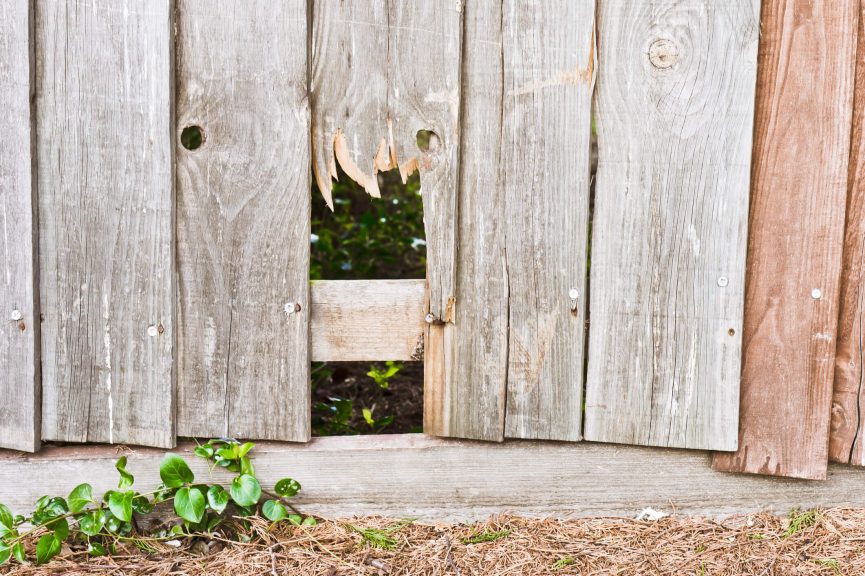
A wooden fence that has been standing for a few years can start to look a little worse for wear. Dirt builds up, the colour fades and constant exposure to the British weather can leave the timber looking tired. That does not necessarily mean the whole fence needs replacing.
If the main structure is still sound, you can often restore an old wooden fence rather than replace it. A thorough clean, a few smaller repairs and a fresh finish can make a noticeable difference to its appearance while helping you get more from your existing fence.
In this guide, we take you through the steps involved in bringing an old wooden fence back into good condition.
Check Whether Your Old Wooden Fence Can Be Restored
The appearance of a fence does not always tell you much about its structural condition. Faded timber, surface dirt or peeling paint can make a perfectly serviceable fence look much older than it really is.
Start by walking along the fence and checking the panels, posts and fixings. Pay particular attention to areas closer to the ground, where the timber may be more exposed to moisture.
Look out for:
- Loose or damaged boards
- Cracked or split timber
- Signs of rot or decay
- Loose fixings
- Leaning or unstable posts
- Mould, algae or other surface growth
- Peeling or flaking paint
A few damaged boards or loose fixings may be relatively straightforward to address without replacing everything around them. Problems with the supporting structure need more attention, particularly if posts have deteriorated or the fence has become unstable.
If most of the timber remains sound and the fence is stable, you can then turn your attention to cleaning and restoring it.
How Do You Restore an Old Wooden Fence?
To restore an old wooden fence, check that the main structure is sound before cleaning the timber and repairing damaged areas. The wood can then be prepared for a suitable exterior paint, stain or treatment, followed by regular maintenance to help keep the fence in good condition.
The amount of work involved will depend on the age and condition of your fence, but breaking the job down into a few manageable stages makes the process much simpler.
1. Give the Fence a Thorough Clean
Years of exposure to the elements can leave a wooden fence covered in dirt and organic growth, so cleaning is a sensible place to begin.
Remove leaves, cobwebs and loose debris from the fence and the surrounding area. A stiff brush can help tackle surface dirt and growth. Where a more thorough clean is needed, use an appropriate fence or timber-cleaning product and follow the manufacturer’s instructions.
Take care when cleaning older timber, as an overly aggressive approach could damage the surface underneath. Allow the fence to dry properly before carrying out further preparation or applying a new finish. For more advice on this part of the job, take a look at our guide to cleaning a fence.
2. Repair Loose or Damaged Areas
With the dirt removed, it should be easier to see which parts of the fence need some attention. Secure loose boards and fixings where appropriate and inspect cracked or damaged areas more closely. An individual board or section that cannot be repaired may be replaceable without disturbing the rest of the fence.
Don’t forget the fence posts while carrying out repairs. They support the rest of the structure, so a badly deteriorated or unstable post needs to be addressed rather than disguised with a new finish.
This is where restoration is about more than making a fence look better. Repairing the underlying problems gives you a sounder base for everything that follows.
3. Prepare the Wood
A good finish depends on what is underneath it, so take a little time to prepare the timber properly. If the existing paint or finish is peeling, remove loose or flaking material before recoating. Rough or uneven areas may also benefit from light sanding where appropriate, helping to create a better surface for the new finish.
There is little benefit in painting over dirt, damp timber or a failing old coating. Proper preparation might not provide the most dramatic before-and-after moment, but it can make a real difference to the finished result.
4. Paint, Stain or Treat the Fence
Paint can introduce a new colour or completely refresh the look of older timber. If you would prefer to retain more of the natural character of the wood, a suitable stain or timber treatment may be a better option.
Whichever route you choose, check that the product is suitable for exterior timber and follow the manufacturer’s application and drying instructions.
5. Protect the Fence From Further Weathering
Restoration should not finish as soon as the last coat dries. Outdoor timber will continue to face rain, sunlight and changing temperatures, so the finish you choose needs to be suitable for exterior wood.
Follow the manufacturer’s instructions for application and future maintenance, and keep plants and accumulated debris from sitting heavily against the timber.
How Can You Make an Old Wooden Fence Look Better?
Cleaning can make more of a difference than you might expect, particularly if dirt and organic growth have built up over time. It is worth seeing how the timber looks afterwards before deciding whether it needs painting or staining.
Pay attention to the smaller details too. Replacing a visibly damaged board, dealing with peeling paint and cutting back plants growing heavily against the fence can all help tidy up its appearance. You can then use a suitable finish to refresh the timber or introduce a new colour.
When Is an Old Wooden Fence Beyond Restoring?
Surface problems and structural problems should be treated differently. Dirt, fading, organic growth and a failing finish may be addressed as part of the restoration process. Widespread decay or structural instability is a different issue and may require damaged components, or potentially more of the fence, to be replaced.
Look particularly closely at the supporting posts and the extent of any deterioration. If problems are affecting much of the structure rather than one isolated area, repeatedly repairing individual sections may not address the underlying issue.
If you are unsure whether restoration is worthwhile, judge the fence by its condition rather than its age or appearance alone.
Keep Your Restored Wooden Fence in Good Condition
Check your fence periodically for damaged boards, loose fixings or changes in the timber. Spotting a smaller problem early gives you the chance to deal with it before it develops into a more substantial repair.
Keep an eye on the exterior finish too. When it needs attention will depend on the fence, its exposure and the product used, so follow the relevant product instructions rather than working to an arbitrary schedule.
Give Your Old Wooden Fence a New Lease of Life
A tired-looking fence does not automatically need to come down. If the structure remains sound, cleaning away years of build-up, carrying out smaller repairs and applying a fresh finish can restore an old wooden fence and make a noticeable difference to your garden.
At Wilfirs, we supply a wide range of fencing products and timber for garden projects, whether you need something for a smaller fence repair or have decided that part of your existing fence needs replacing.
Get in touch with our team for help finding the right products for your fencing project.
FAQ
Do you need to remove old paint before repainting a wooden fence?
You do not necessarily need to remove every trace of the previous paint. Loose, peeling or flaking areas should be dealt with, and the surface should be clean, dry and suitably prepared before applying a new finish.
How long should a wooden fence dry before painting or staining?
The fence should be properly dry before paint, stain or treatment is applied. Drying time will vary depending on conditions and the product being used, so check the manufacturer’s instructions before getting started.
What is the best time of year to restore a wooden fence?
Choose a period of suitable, dry weather for cleaning, preparing and finishing your fence. The product you use may also specify suitable application conditions, so check its instructions before planning the work.
Can you restore just one section of an old wooden fence?
If the damage is limited to one area, you may be able to repair or replace individual components without replacing the whole fence. Check the surrounding boards, fixings and supporting posts as well to make sure the problem is isolated.
